When the unexplained happens in your own home, the line between folklore and reality vanishes. A door closing on its own or a voice in an empty room stops being a ghost story and becomes a problem you have to solve. But how do you determine if you are dealing with the paranormal, a psychological trick of the mind, or a mundane environmental issue?
This guide serves as a comprehensive toolkit for investigating a haunting. It breaks down how to document evidence, rule out natural explanations, understand common paranormal signs, and protect yourself if the activity proves to be real.
Step 1: Documenting the Experience
The first rule of paranormal investigation is to remain objective. Memory is fallible, especially when fear is involved. Learning how to document an experience without jumping to conclusions is critical. The most effective tool you have is a written record. Keeping a calm evidence log or haunting journal helps you track dates, times, weather conditions, and exact details of the activity. Over time, patterns often emerge that point to natural causes—or confirm that something truly unexplained is happening.
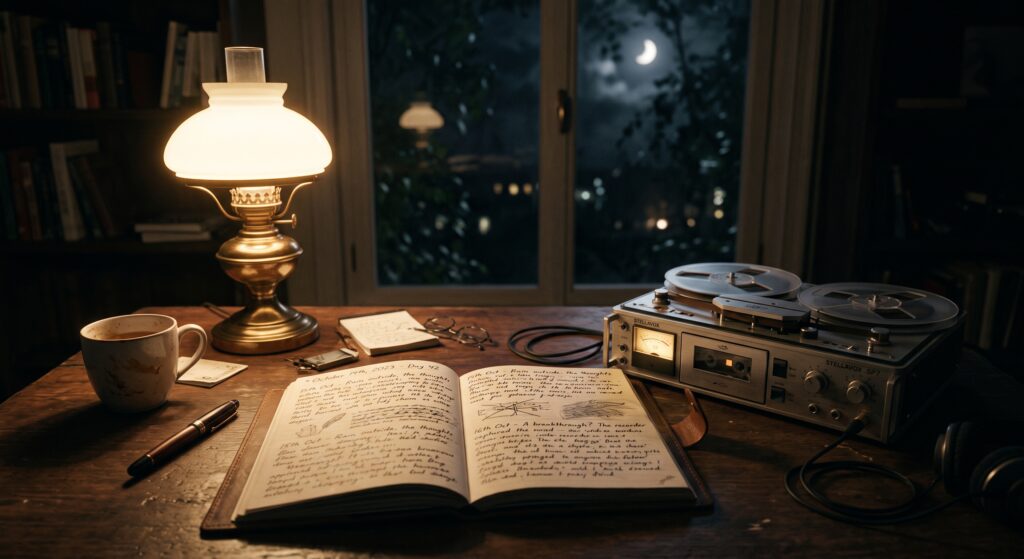
If you decide to actively seek out communication, you must do so carefully. Using audio recorders to capture Electronic Voice Phenomena (EVP) requires a structured approach. Using a respectful script for EVP interviews ensures you maintain control of the session and avoid provoking hostile responses.
Step 2: Ruling Out the Mundane
Before assuming a ghost is responsible, you must eliminate the mundane. Many “paranormal” experiences have rational explanations. For instance, visual anomalies in photographs are rarely spirits. A ghost camera anomaly is almost always caused by dust, motion blur, reflection, or low light. Similarly, hearing your name called when no one is there is a common auditory hallucination, especially when you are tired or stressed.
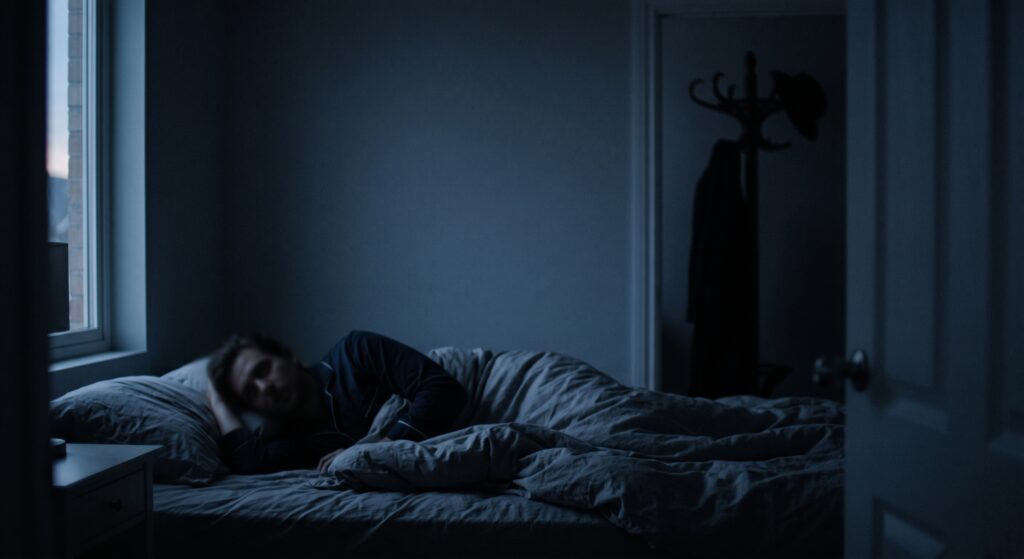
Sleep-related phenomena are particularly prone to misinterpretation. If you wake up paralyzed and sense a presence in the room, you are likely experiencing Old Hag Syndrome or sleep paralysis. This state can produce terrifying hallucinations, including shadow people and a deeply sensed presence. Another jarring sleep phenomenon is Exploding Head Syndrome, which causes loud, imagined noises—like a gunshot or a slamming door—just as you fall asleep.
Finally, consider the technology in your home. Haunted smart home devices are usually the result of glitches, hacked networks, or automated updates. In some disturbing cases, the “ghost” is actually a human being. It is vital to recognize the signs of smart home tech-abuse or discover hidden cameras before assuming a supernatural cause.
Step 3: Recognizing True Paranormal Signs
If you have ruled out natural causes, you may be dealing with a genuine haunting. Different types of hauntings produce different signs. If you are a renter, you should look for specific signs of a haunted apartment.
Certain objects are known to attract or retain spiritual energy. Haunted music boxes that play on their own, haunted dolls that seem to move, or cursed wedding dresses carrying the grief of their former owners are common focal points for activity. The use of so-called divination tools, such as the Ouija board, can also invite unwanted presences into a home.
Environmental changes are another strong indicator. A sudden, unexplained sulfur smell is traditionally associated with demonic or hostile entities. Conversely, some signs are interpreted as comforting. The appearance of a cardinal bird after a death is widely viewed as a message from a departed loved one.
Step 4: Taking Action
If your investigation confirms that your home is haunted, you must decide how to respond. Our complete guide on what to do if your house is haunted walks you through your options, from ignoring the activity to seeking professional help.
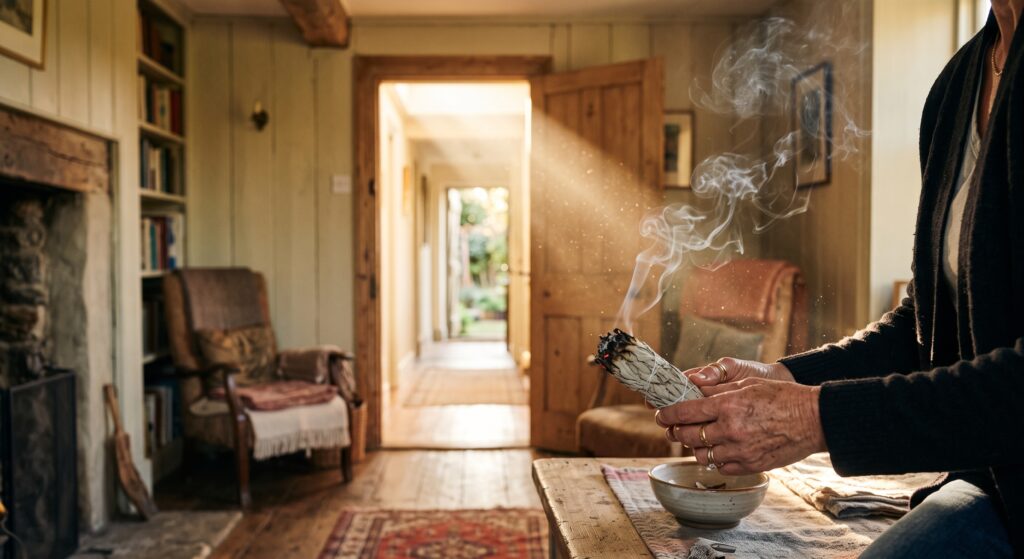
If the activity is disruptive or frightening, you may need to cleanse the space. Understanding how to bless a haunted house using religious or folk traditions can help restore peace and reclaim your territory from whatever has taken up residence there.
The Psychology of the Ghost Story
Finally, it is worth considering why we are so drawn to the paranormal. Whether we are exploring abandoned schools or sharing campfire ghost stories, the act of investigating the unknown serves a deep psychological need. It allows us to confront our fears, process grief, and grapple with the ultimate mystery of what happens after we die.


[…] For a full step-by-step framework, see our guide on How to Investigate a Haunting: The Complete Guide to Ghost Hunting. […]
[…] How to Investigate a Haunting: The Complete Guide to Ghost Hunting […]