Shadow people dreams are reported often enough and described with enough consistency that they merit a careful look from several angles: the psychological, the folkloric, and the paranormal.
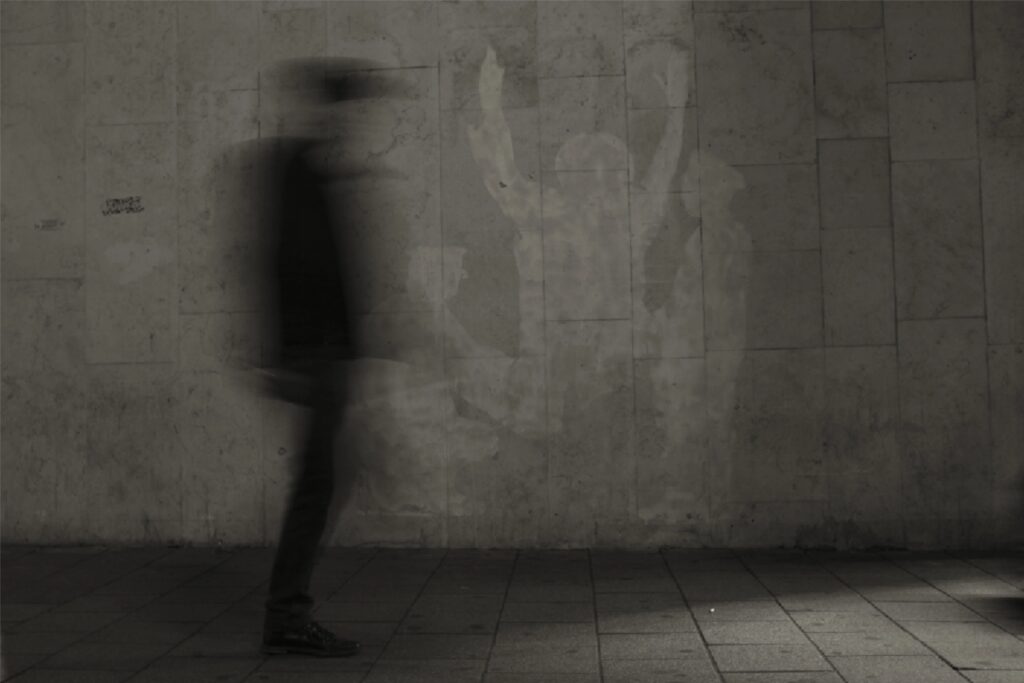
The Figure at the Edge of the Dream
You are in a familiar place, your childhood home or a corridor you cannot quite place, and there is a figure standing in the shadows. It has no face, no features, just a human outline that is darker than the darkness around it. It does not move toward you. It simply watches. And you wake up with a specific kind of dread that ordinary nightmares do not quite produce.
The Psychological Interpretation
In Jungian psychology, the shadow is not a monster. It is the part of the self that has been pushed out of conscious awareness: qualities, memories, impulses, and fears that the ego has decided are unacceptable. Jung believed that the shadow appears in dreams as a figure, often dark, often threatening, and that encountering it is not a cause for alarm but an invitation to integration.
From this perspective, a shadow person in a dream is not an external entity but a part of yourself that is asking to be acknowledged. What the figure represents specifically depends on the context of the dream, your current life circumstances, and what you feel when you wake: dread, grief, anger, or something harder to name.
Recurring shadow figure dreams, particularly ones that intensify over time, can sometimes point to unprocessed grief, suppressed anxiety, or significant life transitions. If the dreams are disturbing your sleep or your waking life, speaking with a therapist familiar with dream work is a reasonable step.
The Neurological Explanation: Shadow People at the Sleep Boundary
A significant portion of shadow people experiences, including those that occur in dreams and those that feel more like waking encounters, occur in the hypnagogic or hypnopompic state: the transition zones between sleep and waking. In these states, the brain is partially conscious and partially dreaming, and the visual system can generate perceptions that feel completely real.
The dark humanoid figure is one of the most consistently reported hallucination types in these states, appearing across cultures and in clinical sleep research. The figure’s lack of features is characteristic: the visual cortex generates a shape, but the detail processing that would give it a face is not fully online. The result is exactly the featureless dark outline that shadow people witnesses describe.
The Folkloric and Paranormal Interpretation
In paranormal tradition, shadow people are understood as a distinct category of entity: not ghosts, which are typically associated with specific deceased individuals, but something older and less defined. They are described as watchers, as presences that follow certain people across locations and over years, and in some traditions as harbingers.
The Hat Man is the most frequently named specific shadow figure, described consistently as a tall male silhouette wearing a wide-brimmed hat, appearing in dreams and in sleep paralysis episodes with a specificity that investigators find striking. The consistency of the Hat Man description across independent accounts, from different countries and different decades, is one of the more genuinely puzzling elements of shadow people lore.
What the Dream Might Be Telling You
Regardless of which interpretive framework resonates, shadow people dreams tend to carry consistent emotional content: surveillance, helplessness, and the specific discomfort of something that will not show its face. These themes are worth sitting with, whether you understand them as symbols of your own psychology or as something more external.
Some questions that can be useful after a shadow person dream: Where in your life do you feel watched or judged? What are you avoiding looking at directly? Is there something you are waiting for that never arrives? These are not diagnostic questions. They are simply places to start.
When the Dreams Become More Than Dreams
If shadow figure experiences begin crossing over from the dream state into perceived waking encounters, particularly if they are accompanied by physical sensations like pressure or paralysis, the experience is likely entering the territory of sleep paralysis rather than conventional dreaming. That is covered in a separate article on this blog. If the experiences are distressing, frequent, or affecting your daily life, speaking with a sleep specialist or mental health professional is the most practical first step, regardless of how you interpret the encounters.
References & Further Reading
• AASM Sleep Education: Hypnagogic Hallucinations

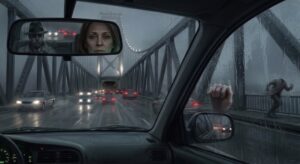
[…] breathing, footsteps, whispering, or voices appear frequently. Visual hallucinations range from shadow people to fully realized faces or forms. These hallucinations occur against an accurate backdrop. […]
[…] Old Hag Syndrome or sleep paralysis. This state can produce terrifying hallucinations, including shadow people and a deeply sensed presence. Another jarring sleep phenomenon is Exploding Head Syndrome, which […]
[…] Shadow People in Dreams: Symbolism, Fear, and Sleep States […]