This guide is not about convincing you that ghosts are or are not real. It is about giving you a practical, step-by-step process for investigating what is happening, ruling out dangers you can fix, and deciding what to do next if the rational explanations run out.
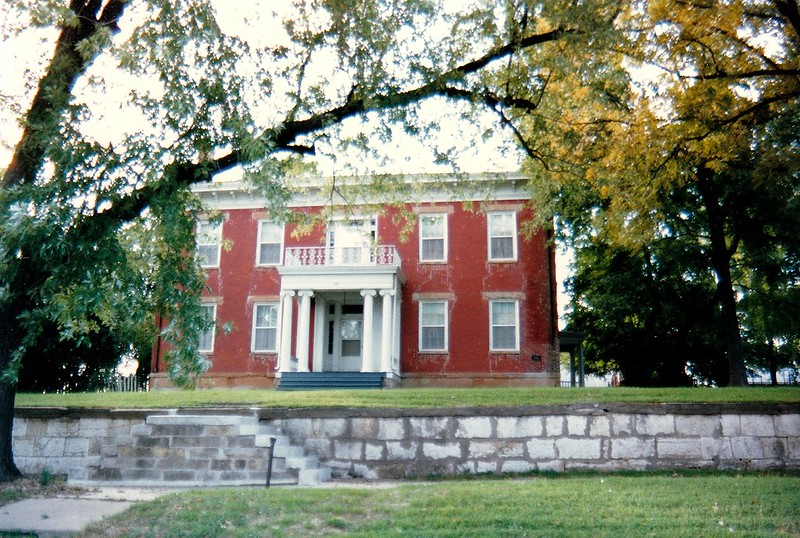
“Old House” by CapCase is marked with CC0 1.0.
The Feeling Has Moved Beyond One Strange Night
It started as a single incident you talked yourself out of. A door you were sure you latched. A sound from the basement when no one was down there. But those one-off moments have become a pattern, and the pattern is interfering with how you sleep, how you feel in your own home, and what you tell yourself when you walk down the hallway after dark.
Before Anything Else: Rule Out Physical Dangers
The first and most important step is not paranormal at all. Several conditions that produce ghost-like experiences are also genuine health hazards.
Carbon Monoxide
Carbon monoxide poisoning at low levels can cause headaches, confusion, auditory hallucinations, a sense of dread, and the feeling of being watched or followed. Install a CO detector immediately if you do not have one. If it goes off, leave the property and call emergency services.
Infrasound
Certain HVAC systems, industrial fans, and structural resonances can emit sound below the range of human hearing. Studies have linked infrasound exposure to anxiety, unease, visual disturbances, and the sensation that something is in the room. Have your HVAC system inspected if activity seems concentrated near vents or ducts.
Mold
Before concluding a haunting is supernatural, consider whether your smart home devices might be malfunctioning or — in rare cases — being used to gaslight you. Some toxic mold species produce mycotoxins that affect the nervous system, causing cognitive fog, paranoia, and sensory disruption. If your home has water damage, check for mold before pursuing any other explanation.
Document Everything Before You Act
If physical hazards have been ruled out and the activity continues, shift into documentation mode. A written log is one of the most valuable tools you have, both for identifying patterns and for any future conversations with investigators, landlords, or mental health professionals.
For every event, record the date and time, the exact location in the home, what you observed, the weather and temperature that day, who else was present, and your own sleep quality in the 24 hours prior. Two weeks of logs will tell you more than any single dramatic experience.
A Calm Step-by-Step Response Plan
Step 1: Address the Physical Checklist
Go room by room. Check insulation, wiring, plumbing, pest signs, and ventilation. Call a licensed inspector if anything is uncertain. Document what was checked and when.
Step 2: Talk to Your Neighbors
Long-term residents of a building or street often hold the most useful information. Ask casually whether they have noticed anything unusual, or whether they know the history of your unit. You may learn about prior tenants, structural issues, or a shared explanation for the experiences.
Step 3: Research the Property History
County records, local historical societies, and newspaper archives can surface relevant history. You are looking for significant events, previous owners, or any prior reports. A title search through your county recorder’s office is usually free or low cost.
Step 4: Contact a Paranormal Investigation Group
Most regional paranormal investigation teams offer free residential investigations. They bring equipment, methodology, and experience with distinguishing environmental causes from unexplained activity. Look for groups affiliated with established organizations and read their methodology statements before inviting them in.
Step 5: Consider Your Options
If activity continues and affects your quality of life, you have real choices. Many cultures have developed protection charms against spirits — from apotropaic symbols carved above doorways to roadside rituals — that may offer comfort regardless of belief. Depending on your jurisdiction, you may be entitled to break your lease if a landlord failed to disclose a known history. You may also pursue a spiritual or religious response: blessing, cleansing, or working with a clergy member, all of which are covered in a separate article on this blog. And you may simply decide you can coexist with whatever is in the house, on your own terms.
You Are Allowed to Take This Seriously
The most common barrier people face in this situation is embarrassment. They worry that taking unexplained activity seriously makes them look credulous or unstable. But documenting your home, ruling out hazards, and investigating a pattern of events is exactly what a rational, careful person does. The approach described here is the same one used by both skeptical investigators and experienced paranormal researchers: observe, document, test, and then interpret.
Whatever is happening in your home, you deserve a clear answer. Start with the checklist. The rest follows from there.
References & Further Reading
• Big Think: The Science of Ghosts and Haunted Houses
• RentPrep: Haunted Rental Properties and Tenant Rights



[…] What to Do If Your House Is Haunted: A Step-by-Step Guide […]
[…] a Victorian palace of innovation became the most haunted address in London, and why guests still flee the third […]
[…] end at the water. Barely a mile away on Ravine Drive sits Rose Hill Cemetery, often called the most haunted burial ground in New Jersey. Its garden layout dates to the Victorian era, though older graves […]
[…] confirms that your home is haunted, you must decide how to respond. Our complete guide on what to do if your house is haunted walks you through your options, from ignoring the activity to seeking professional […]