On a blistering Fourth of July in 1850, President Zachary Taylor came back from a ceremony at the Washington Monument grounds and downed cold milk, iced water, and a large bowl of ripe cherries. Within hours his stomach seized. Five days later he was dead inside the White House. He never left it again, in more ways than one.
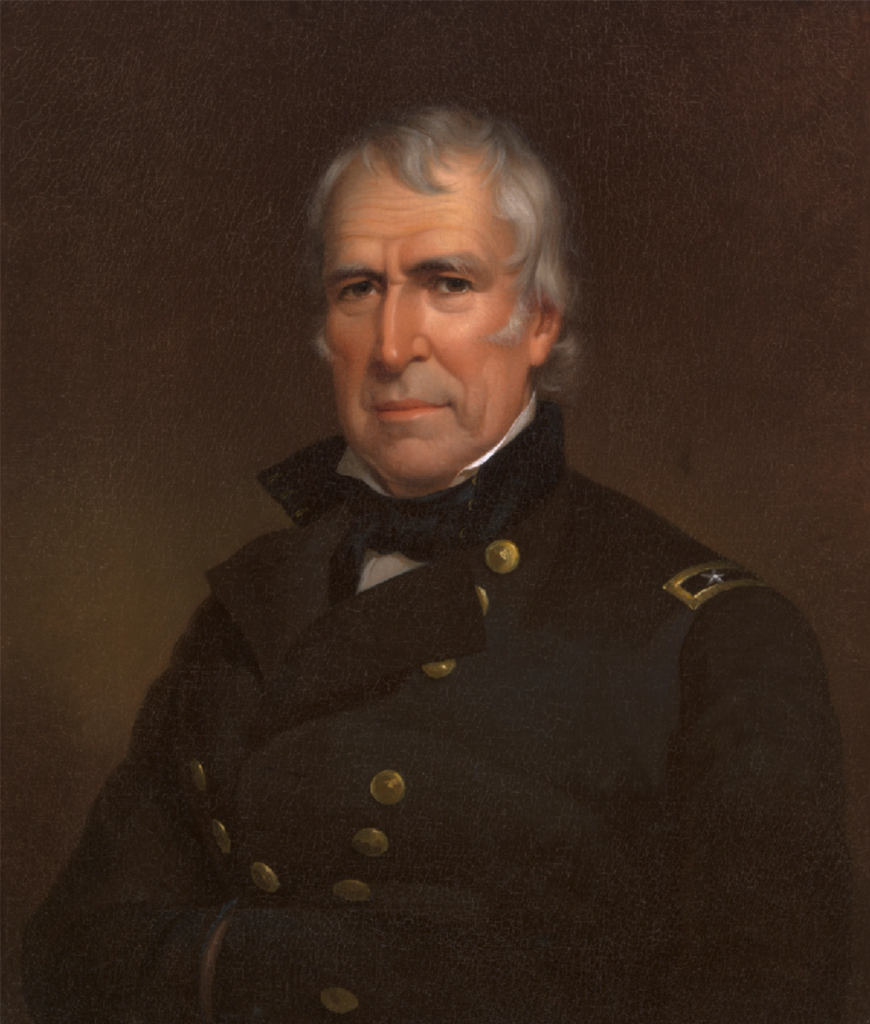
Taylor belongs to a tiny club. He is one of only two presidents to die within the mansion’s walls, and that rare fact shapes how his ghost is understood.
Old Rough and Ready’s last post
Taylor was a career soldier, a general celebrated in the Mexican-American War before he ever entered politics. He approached the presidency the way he approached command, standing firm against southern threats of secession and refusing to compromise on the expansion of slavery into new territories.
He died with the Union crisis unresolved. His final reported words centered on duty: he had always done his, and he was ready to go. For a man defined by service, dying mid-mission left the work unfinished, which is precisely the condition these legends say tethers a spirit to a place.
The tether of dying in place
Taylor’s ghost is counted among the building’s long-term tenants, the spirits bound to the house by their final moments rather than by dramatic sightings. The general remains at his last post, eternally on watch over the mansion he served for barely sixteen months.
His funeral underscored the military identity. His horse, Old Whitey, walked behind the coffin bearing Taylor’s saddle and his boots turned backward in the stirrups, the traditional honor for a fallen commander.
Not where but what
Here is a paradox worth sitting with. The White House Historical Association points out that the most famous hauntings do not belong to the people who actually died in the building. Harrison and Taylor both died there, yet Lincoln, who died across town, dominates the lore.
That inverts our instinct about ghosts. We assume the place of death holds the spirit. The White House suggests otherwise. What lingers is not where you died but what you left undone. Taylor’s quieter haunting fits a man who simply ran out of time at his post, with the Union’s fate still uncertain.
The death that fed its own legends
Taylor’s sudden end spawned conspiracy theories that outlived him by more than a century. The official cause was a violent gastrointestinal illness, likely cholera or a related infection, tied to Washington’s notoriously filthy water and the iced milk and cherries he consumed on a sweltering Fourth of July. The same contaminated water supply probably killed Willie Lincoln a decade later and sickened others in the mansion.
Yet because Taylor died at a critical moment in the slavery debate, rumors of poisoning persisted for generations. They grew so loud that in 1991 his remains were actually exhumed and tested. The results found no evidence of arsenic poisoning, pointing back to disease. A president who died with the nation’s gravest crisis unresolved was bound to attract suspicion, and a spirit said to linger at its post fits that unsettled, unfinished quality.
A soldier to the end
Everything about Taylor’s identity was military, and his haunting reflects it. He spent four decades in uniform and earned the nickname Old Rough and Ready for his plain manner and battlefield grit. He entered politics late and reluctantly, and he governed like a commander, telling secession-minded southerners he would personally lead the army against them if they broke the Union.
His funeral drove the point home. His warhorse, Old Whitey, followed the coffin with the boots reversed in the stirrups, the ancient symbol of a fallen leader. The lore that keeps Taylor eternally guarding the mansion simply continues that soldier’s logic. He took an oath, he died before discharging it, and the legend will not let him stand down. Among the house’s quieter ghosts, he is the sentinel who never got the order to leave his post.
The quiet ghost and what he teaches
Taylor will never headline a ghost tour. His haunting lacks the drama of Churchill’s encounter or the charm of Dolley’s roses. He is a presence, a sense of a sentinel still at his post, and nothing more. Yet that very quietness makes him one of the most instructive figures in the series, because he exposes a flaw in how we usually conceive of ghosts.
President Taylor died in 1850 with the Union teetering over slavery, a crisis he was willing to meet with force. Eleven years later, the war came, and his son fought for the Confederacy. Taylor never got to see how it ended or to shape the outcome. A soldier pulled from his post mid-mission, the legend keeps him standing watch over the house he served for barely sixteen months. His ghost is quiet because his story is simply incomplete, frozen at the moment duty was interrupted.
Taylor reminds us that not every ghost needs to shout to be important. The general who stood firm in life stands firm in death, silent and steady, a sentinel keeping a watch no one relieved him from. In a house full of dramatic spirits, there is something quietly moving about the one who simply will not abandon his post, even a century and a half after the order to stand down was never given.
More in This Series: White House Hauntings
- The Cabinet of the Dead: Inside the Most Haunted House in America
- The Resident Who Never Left: The Strange Persistence of Lincoln’s Ghost
- Old Hickory’s Eternal Grudge: The Auditory Haunting of Andrew Jackson
- Laundry in the East Room: The Eternal Diligence of Abigail Adams
- The Ghost Who Stopped the Shovels: Dolley Madison’s Floral Legacy
- Faint Melodies in the Yellow Oval Room: Thomas Jefferson’s Spectral Violin
- One Month in Office, Eternity in the Attic: The Harrison Haunting
- Proposals in the Blue Room: The Romantic Specter of John Tyler
- Echoes of Sad Things: The Haunted Weight of the Johnson Years
- The Bride of the Blue Room: The Eternal Youth of Frances Cleveland
References & Further Reading
White House Historical Association: Zachary Taylor Funeral
Miller Center: Zachary Taylor, Death of the President
White House Historical Association: Things That Go Bump in the Blue Room

[…] Death in the Executive Mansion: The Lingering Presence of Zachary Taylor […]
[…] tragedy extended to other presidents of the era. Zachary Taylor’s sudden passing left a lingering presence in the Executive Mansion. Jane Pierce’s overwhelming grief over the death of her son still […]