She was twenty-one years old and standing in the Blue Room in her wedding dress, the youngest first lady the nation had ever seen. Sixty-one years later she died, far from Washington, having left the White House half a century earlier. Yet the lore says she keeps returning to that one bright room where her married life began.
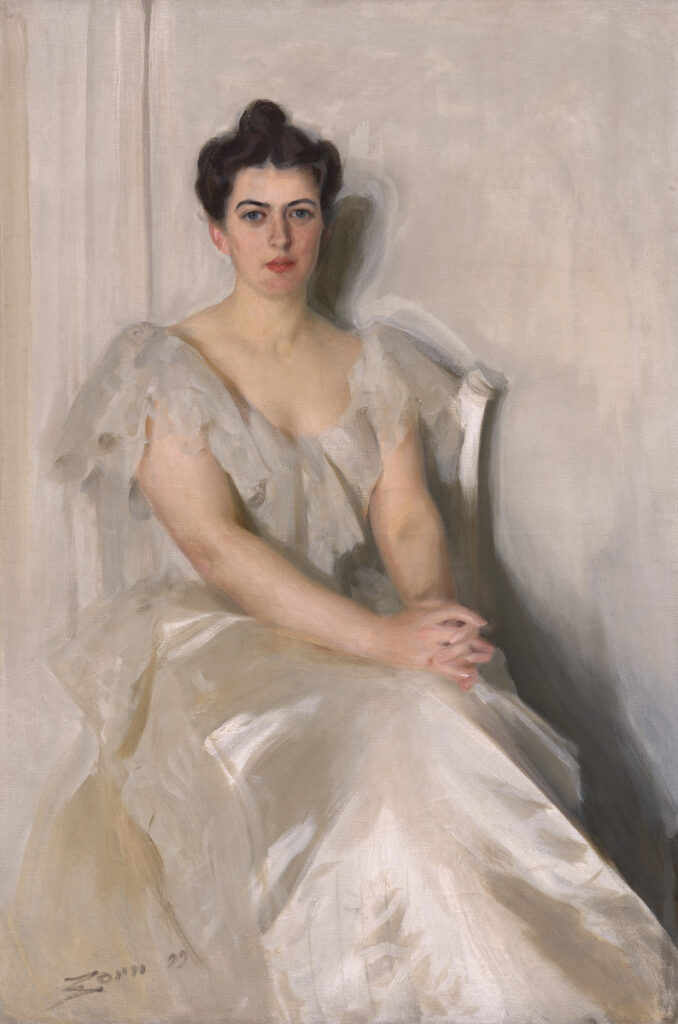
Frances Cleveland closes this series on a deliberately different note. Among a cast of brooding presidents and censorious elders, she brings youth, beauty, and joy.
The youngest first lady
Frances Folsom married President Grover Cleveland in the Blue Room in 1886, becoming the only first lady wed inside the White House itself and the youngest in the nation’s history at twenty-one. She was popular, glamorous, and genuinely beloved, a fresh public face in a building that often felt heavy with age and politics.
By the time she died in 1947, she had been out of the house for fifty years. Reports nonetheless place her ghost back in the Blue Room, the site of her greatest personal joy, carrying a youthful energy unlike any other spirit in the mansion.
Joy as the anchor
Like John Tyler, Frances ties her haunting to the Blue Room and to happiness rather than tragedy. The room that hosted her wedding becomes the place her spirit revisits. Where Lincoln returns to unfinished work and Taylor to unfinished duty, Frances returns to a finished, perfect moment she apparently never wanted to leave.
Her presence offers a counterweight to the Dickensian gloom elsewhere in the house. Not every imprint is sorrowful. Some are simply the echo of the best day of someone’s life.
Happy memories linger too
Frances completes a quiet argument running through this whole series. The cabinet of the dead includes not only war presidents but also grieving parents. It also includes a bride who left a mark of pure happiness on these walls.
That balance is the real lesson of the haunted White House. The building remembers everything its residents felt most intensely, the grief and the rage, yes, but also the love and the joy. Frances Cleveland, forever twenty-one in the Blue Room, makes sure the series ends not with a chill but with a smile.
A wedding unlike any other
No other president has married inside the White House while in office, which makes Frances Folsom’s 1886 wedding singular in American history. Grover Cleveland had known her since she was a baby; he was an old family friend who managed her late father’s estate. When their relationship turned romantic, the age gap and the backstory made the match a national sensation.
The Blue Room ceremony was small and private, but the public fascination was anything but. Frances became an instant celebrity, her image used to sell products without her consent, her clothing and hairstyle copied across the country. She was, in effect, one of America’s first modern media stars. The Blue Room did not just host her wedding. It launched a phenomenon, which may explain why the lore insists she keeps coming back to it.
The case for joyful hauntings
Frances and John Tyler together make an argument that challenges most ghost theories. The standard model treats hauntings as residue of trauma, the violent or sorrowful death that refuses to rest. Yet neither Frances nor Tyler is tied to a death scene. Both are tethered to the Blue Room by a moment of love.
This reframes what the White House actually preserves. If the house only kept its tragedies, it would be a museum of suffering. Instead, it keeps the full emotional range of the lives lived inside it. Frances died in 1947, half a century removed from her White House years, having long since remarried after Grover’s death. The legend still returns her, young and radiant, to the room where her public life began. That choice is telling. Of all the moments in a long life, the one the story preserves is the happiest. The cabinet of the dead, it turns out, has room for a bride.
Ending on a brighter note
Closing the series with Frances Cleveland is a deliberate choice, and it makes a point worth stating plainly. A house this old and this central to the nation’s hardest moments could easily be remembered as nothing but a vault of grief. The presidents who died here, the children lost here, and the wars decided here all push in that direction. Frances pushes back.
Her haunting is built entirely from joy. A radiant twenty-one-year-old bride, married in the Blue Room in a ceremony the whole country followed, returning across decades to the happiest moment of her public life. There is no trauma in the story, no unfinished sorrow, only the echo of a perfect day. In a cast of brooding elders and weary leaders, she is light.
That balance is the truest thing the haunted White House has to say. The building does not only keep its tragedies. It keeps the full range of what its residents felt most deeply, and joy is included alongside grief. Frances Folsom Cleveland, forever young in the Blue Room, ensures that the cabinet of the dead does not close with a chill down the spine but with something closer to a smile. The house remembers its happiness too.
Frances leaves the reader with the kindest possible image in a series built largely from sorrow. A young bride, beloved by a nation, returning again and again to the single happiest day of her public life. If the cabinet of the dead has a closing argument, it is hers: that this house, for all its grief, also remembers being glad. The Blue Room holds her wedding, and the wedding keeps her young.
More in This Series: White House Hauntings
- The Cabinet of the Dead: Inside the Most Haunted House in America
- The Resident Who Never Left: The Strange Persistence of Lincoln’s Ghost
- Old Hickory’s Eternal Grudge: The Auditory Haunting of Andrew Jackson
- Laundry in the East Room: The Eternal Diligence of Abigail Adams
- The Ghost Who Stopped the Shovels: Dolley Madison’s Floral Legacy
- Faint Melodies in the Yellow Oval Room: Thomas Jefferson’s Spectral Violin
- One Month in Office, Eternity in the Attic: The Harrison Haunting
- Proposals in the Blue Room: The Romantic Specter of John Tyler
- Echoes of Sad Things: The Haunted Weight of the Johnson Years
- Death in the Executive Mansion: The Lingering Presence of Zachary Taylor
References & Further Reading
Elections Daily: Hauntings at the White House
White House Historical Association: Things That Go Bump in the Blue Room
White House Historical Association: White House Ghost Stories