You captured something on your phone during the investigation. A shape in the doorway. It lasted about four seconds and then it was gone. You have watched it forty times. You cannot explain it. But you also do not know how to turn ‘I cannot explain this’ into evidence that means anything, to anyone else, or even to yourself.
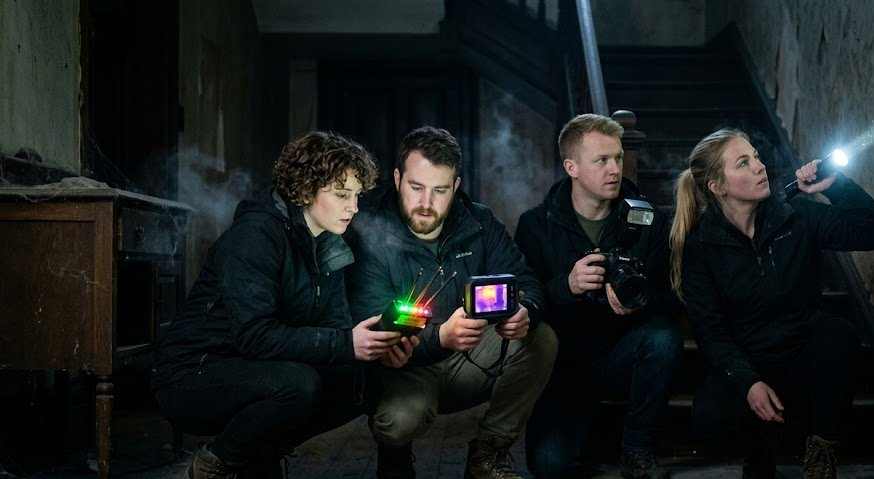
Documentation is the single skill that separates paranormal investigation from paranormal entertainment. Without it, you have a story. With it, you have data. The difference matters, not because data proves the supernatural, but because documented, structured accounts can be compared across locations, times, and investigators in ways that anecdote cannot. If something real is happening in these places, rigorous documentation is the only path to demonstrating it.
Start Before Anything Happens: The Baseline
The most important documentation happens before any anomalous event occurs. Before your investigation begins, record the normal state of the location:
- Air temperature in each room, using a digital air thermometer.
- EMF readings at multiple points; note proximity to known sources, including electrical panels, appliances, and wiring.
- An audio baseline: five minutes of ambient recording with no investigators speaking.
- Photographs of each area from multiple angles.
- Known sources of ambiguous stimuli: pipes that knock when temperature changes, floorboards that creak under pressure, reflective surfaces that catch light in unexpected ways.
This baseline serves one purpose: giving you something to compare anomalies against. A temperature drop is only significant if you know what the temperature was when nothing unusual was happening.
The Real-Time Investigation Log
During the investigation, maintain a real-time log. A voice recording you narrate into as events occur is more valuable than detailed notes written afterward; memory distorts quickly, and the distortions tend to make experiences more dramatic than they were in the moment. For each event, capture:
- Exact time and date.
- Precise location within the space.
- Nature of the experience: sound, sight, physical sensation, smell, or emotional shift.
- Duration.
- Environmental conditions at the moment, including any concurrent EMF or temperature changes.
- Names of everyone present and their positions.
- Immediate rational checks: did anyone move, shift weight, or change position? Was there external traffic, wind, or any equipment change?
Independent Review and the Anti-Suggestion Protocol
After the investigation, review audio and video recordings before discussing findings with other investigators. The most powerful source of contamination in paranormal evidence review is priming: if one investigator says ‘I heard a voice say a name at 22:14,’ every subsequent listener is primed to hear a voice say that name at 22:14, regardless of what the audio actually contains.
Independent review, each investigator listening or watching alone, writing down specific timestamps and descriptions before any group discussion, produces dramatically more credible results. If multiple independent reviewers identify the same anomaly at the same timestamp without being told what to look for, that consistency is genuinely significant. It is also uncommon enough to be worth noting when it happens.
The Rational Elimination Checklist
Before categorizing any documented anomaly as potentially paranormal, work through this systematically:
- Temperature anomalies: is the location near an exterior wall, window, vent, or plumbing?
- Audio anomalies: is the sound consistent with building settling, pipe contraction, animal activity, or external traffic?
- Visual anomalies: could the shape be produced by light reflection, lens flare, dust or moisture on the lens, or a shadow from a known source?
- EMF anomalies: is the spike near a known electrical source? Did anyone’s phone change status during the reading?
- Physical sensations: could the feeling be produced by infrasound, draft, or carbon monoxide? Is a CO detector present and functioning?
An anomaly that survives systematic rational elimination is not proven paranormal. But it is the only category of anomaly worth reporting.
Return Visits and the Value of Pattern
Single-visit documentation is inherently weak. A physical anomaly that recurs under consistent conditions across multiple independent visits is orders of magnitude more compelling than something that appeared once and never again. If you document something that genuinely survives rational elimination, return to the same location under similar conditions with fresh investigators who have not been briefed on your previous findings. If they document the same anomaly independently, you have the beginnings of a reproducible result, which is the only standard of evidence that means anything beyond the people who were there.
References & Further Reading
• Dummies: Tips for Paranormal Investigations
• American Ghost Walks: Ghost Hunting, 10 Essential Tips for First-Time Investigators
• ParaGhosts: Top 10 Paranormal Investigation Tips for Beginners
• My Haunted Project: How to Conduct a Paranormal Investigation