The American Southwest is a landscape of extreme conditions: heat, aridity, dramatic geological formations, and vast distances between population centers. These conditions produce both a genuinely unusual ecology and a specific quality of human psychological experience that has proven fertile for cryptid traditions. The Southwest’s creatures are often stranger than the Bigfoot-and-lake-monster model that dominates the national conversation, reflecting the landscape’s tendency to confound expectations and the cultural depth of the many traditions that have developed here over millennia.
Here is a survey of the region’s notable cryptid traditions, from the well-documented to the more obscure.
Mogollon Monster, Arizona
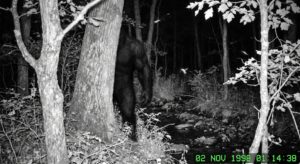
The Mogollon Rim country creature, described in detail in a separate article, represents Arizona’s contribution to the Bigfoot category. Reports extend back to 1903 and concentrate in the Apache and Navajo county terrain below and on the Rim. The creature is consistently described in terms that overlap with Bigfoot tradition: large, hairy, bipedal, strong-smelling.
Chupacabra, New Mexico and Texas
The Chupacabra in its southwestern form is the mange-affected coyote variant rather than the original Puerto Rican bipedal alien creature. Texas in particular has generated multiple physical specimens, which researchers have examined and identified as coyotes, raccoons, or dogs with severe sarcoptic mange. The legend persists because the mite infestation makes the animals involved look genuinely unfamiliar and frightening.
El Nahual, Mexico-Border Traditions
In Mexican folklore along the US border, the nahual or nagual is a shapeshifting being, often a human witch who can transform into an animal. Nahual traditions are particularly active in rural communities in Chihuahua, Sonora, and across the Rio Grande into Texas and New Mexico. Border communities report nahual encounters that combine elements of shapeshifter folklore with the kind of anomalous animal sighting that generates cryptid reports further north.
The Thunderbird of the Desert Southwest
Giant bird reports in the desert Southwest parallel the Thunderbird tradition from the Pacific Northwest and Plains, but they have a specifically Southwestern character. Reports of huge birds seen near the Grand Canyon, in the Sonoran Desert, and along the lower Colorado River have been documented since the Spanish colonial period. The California condor, once present in the Southwest and now reintroduced in small numbers, can reach a wingspan of nine feet and creates genuinely startling encounters for hikers unfamiliar with the species’ size.
El Silbon, Border Horror Tradition
El Silbon, a tall, thin figure of Venezuelan and Colombian origin who whistles before killing, has migrated into border community folklore in Texas and New Mexico, blending with local tradition in the same way that La Llorona migrated and mutated as it moved north. El Silbon does not appear in most cryptid literature but occupies the same psychological territory, and understanding its presence in border communities requires engaging with the folk tradition that brought it there rather than treating it as a straightforward creature encounter.
References & Further Reading
For more on this topic, see our complete guide to the Cryptids of North America: A Field Guide to Regional Monster Legends.