Dolls occupy a strange category in the human imagination. They are built to resemble people, designed to be watched and handled, and then placed in corners and on shelves where they watch back. The discomfort this creates is not paranormal: it is a well-documented perceptual phenomenon called the uncanny valley, a sense of wrongness triggered by human-like objects that are not quite human enough.
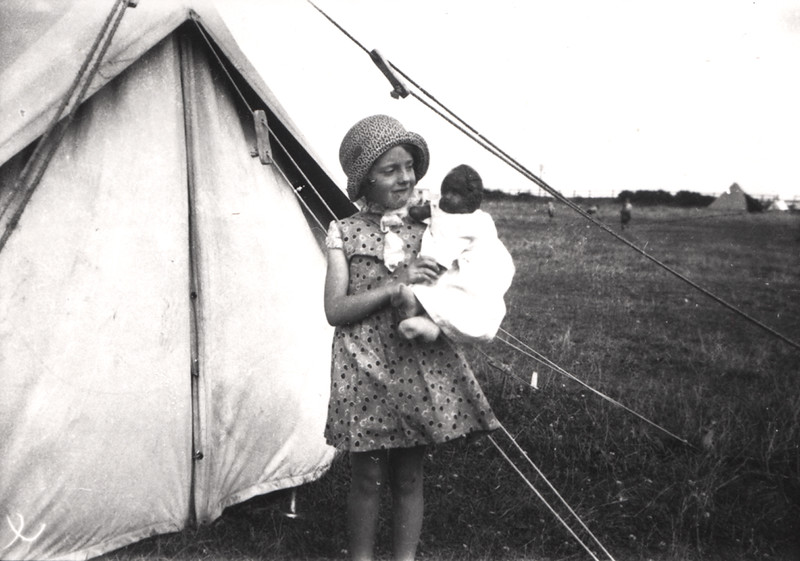
The Object That Refuses to Stay Still
But the folklore of haunted and possessed objects is older than modern psychology, and the reported signs of a haunted doll are specific enough and consistent enough across different accounts that they are worth examining carefully, with both genuine curiosity and genuine skepticism.
The Most Commonly Reported Signs
The Doll Appears to Move or Change Position
The most frequently cited sign is finding the doll in a different position or location than the owner left it. This ranges from a slight turn of the head to finding the object in an entirely different room. Before attributing this to paranormal activity, account for everyone who has access to the space, including children, houseguests, and cleaning staff. If the movements continue after access is controlled and documented, you have a more interesting data point.
Temperature Anomalies in the Object’s Vicinity
Some owners report cold spots that appear to move with the doll or concentrate near it. As with any cold spot investigation, rule out drafts, vents, and exterior wall proximity before treating this as significant.
Unexplained Sounds in the Object’s Room
Crying, laughing, footsteps, or whispering reported in rooms where the doll is kept appear in a number of documented accounts, including the famous cases of Robert the Doll in Key West and Annabelle, now housed at the Warrens’ Occult Museum. These sounds are difficult to verify and among the easiest to explain through building acoustics, pests, and auditory pareidolia.
Feelings of Being Watched or Followed
This is arguably the most subjective sign and the most complicated to assess. Dolls with realistic eyes do produce a genuine physiological response in many people. The eyes are designed to appear to track movement, and the nervous system registers this as surveillance. Separating this from genuine paranormal attention-getting is genuinely difficult, which is part of what makes haunted doll investigation interesting.
Electronic Interference Near the Object
Cameras, phones, and audio recorders malfunctioning specifically near a particular object, and functioning normally when moved away, is a reported sign in several well-known cases. Document the malfunction, test the devices in multiple locations, and rule out physical causes such as magnetic components in the object before assigning significance.
Dreams or Sleep Disturbances Following Contact
A number of people who have handled or purchased objects with claimed paranormal histories report disturbed sleep afterward. This is among the most plausible signs on this list in a purely psychological sense: the expectation of something unsettling, combined with a new object in the home, can absolutely affect sleep. Whether that fully explains the reported phenomenon is, as with most things here, an open question.
The Folklore and History of Object Attachment
The idea that spirits or energy can attach to physical objects appears across a wide range of traditions. In Shinto practice, objects that have been used and loved for a hundred years are believed to gain a spirit, called a tsukumogami. In West African and diaspora spiritual traditions, objects can be ritually activated as vessels for spirit work. In European folk practice, the concern was more often with cursed or bewitched objects, items made or handled with harmful intent.
What these traditions share is the idea that objects are not neutral: they carry the history of what has been done with them and to them. Whether that is a literal spiritual claim or a useful framework for thinking about the emotional weight of objects depends on your perspective.
If You Own an Object With a Claimed History
If you have purchased or received a doll or other object with a known or suspected paranormal history, the most useful thing you can do first is research it. Provenance matters. Where did it come from? Who owned it? What is the documented history, as opposed to the claimed history? Many haunted object stories are embellished or fabricated for resale value on platforms where haunted items command premium prices.
If after research the history remains uncertain and the activity continues, most paranormal investigators and many religious and folk traditions offer methods for object clearing or spiritual assessment. These are covered in a separate article on this blog.


[…] Signs of a Haunted Doll: Folklore, Fear, and Investigation Tips […]
[…] Signs of a Haunted Doll: Folklore, Fear, and Investigation Tips […]
[…] Signs of a Haunted Doll: Folklore, Fear, and Investigation Tips […]
[…] Signs of a Haunted Doll: Folklore, Fear, and Investigation Tips […]
[…] Signs of a Haunted Doll: Folklore, Fear, and Investigation Tips […]