Old Hag Syndrome is one of those folk terms that sounds archaic until you have experienced it. Then it sounds exactly right.
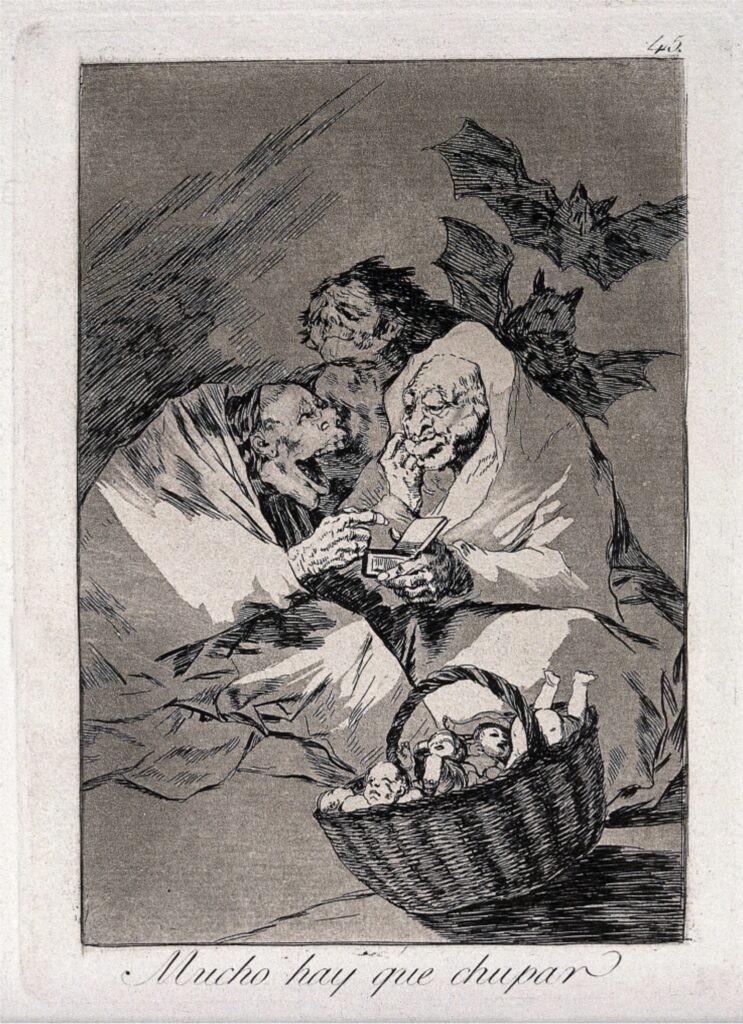
A Name That Has Survived Centuries for Good Reason
The name comes from the widespread belief, particularly in British and North American folklore, that a witch or hag would creep into the bedrooms of sleeping people and sit on their chests, draining their breath and leaving them paralyzed and terrified. The term is old. The experience it describes is older. And the symptoms are as consistent today as they have ever been.
The Core Symptoms
Paralysis of the Voluntary Muscles
The defining symptom is the inability to move the limbs, trunk, or head despite being fully or partially conscious. The paralysis is complete in most episodes: sufferers cannot move a finger, turn their head, or sit up. They can typically still breathe, though breathing may feel labored or restricted.
Chest Pressure or Weight
A heavy pressing sensation on the chest is reported in the majority of cases and is the symptom most directly tied to the syndrome’s name. The pressure ranges from a mild heaviness to an overwhelming crushing weight, and it is frequently accompanied by the sense that something is physically sitting on the body.
The Presence
Somewhere between 50 and 75 percent of episodes involve a perceived intruder: a figure, shape, or entity that is sensed or seen in the room. The entity is almost always threatening in character. It may stand in the doorway, approach the bed, or hover directly over the sleeper. In some accounts it speaks. In most it is simply and terribly there.
Auditory and Visual Hallucinations
Sounds including breathing, footsteps, whispering, or voices are reported frequently. Visual hallucinations range from shadowy figures to fully realized faces or forms. Importantly, these hallucinations occur against an accurate backdrop: sufferers see their real room, their real ceiling, their actual surroundings. The entity is inserted into reality, not into a dreamscape, which is a large part of what makes the experience feel so categorically different from a nightmare.
Difficulty Breathing
Many sufferers describe a struggle to draw breath, sometimes feeling as if something is compressing the lungs or sitting on the diaphragm. Breathing does continue throughout an episode, but the sensation of restriction is real and distressing.
Fear and Dread
The emotional component of Old Hag Syndrome is not merely strong fear. Researchers and sufferers consistently describe it as a specific quality of dread, a certainty of imminent harm combined with total helplessness. This emotional signature is so consistent across cultures and centuries that folklorist David Hufford used it as part of his argument that the experience itself drives the supernatural interpretation, rather than the interpretation being culturally inherited.
How Long Does an Episode Last?
Most episodes last between a few seconds and two minutes, though distorted time perception during the event can make this feel considerably longer. Episodes resolve on their own as the brain completes its transition to full wakefulness. Some people find that being touched by another person, hearing their name called, or concentrating intensely on moving a single small muscle (a finger or toe) can shorten an episode.
How Old Hag Syndrome Differs from a Nightmare
The key distinction is the quality of consciousness during the event. Nightmares occur during REM sleep when the sleeper is not aware they are dreaming. Old Hag Syndrome occurs in the transition to waking, when the person is consciously aware of their real environment. They know they are in their bedroom. They recognize their furniture. The entity they perceive is not replacing reality: it appears to exist within it. This is why the experience is so much more difficult to dismiss afterward.
The Medical Classification
Sleep medicine classifies these experiences as hypnagogic hallucinations (occurring at sleep onset) or hypnopompic hallucinations (occurring on waking), occurring in the context of sleep paralysis. The condition is not itself a disorder but a neurological event that can be a feature of otherwise healthy sleep, particularly when sleep is disrupted. When episodes are frequent or accompanied by other symptoms, assessment for narcolepsy or REM sleep behavior disorder is appropriate.
What the Symptoms Tell Us
The consistency of Old Hag Syndrome symptoms across geography and centuries is one of the most compelling arguments that this is a universal human experience with a specific neurological cause, rather than a culturally transmitted story. The chest pressure, the paralysis, the threatening presence, the quality of the fear: these elements appear in accounts from medieval England, nineteenth-century Newfoundland, contemporary Japan, and modern American emergency room reports. Same symptoms. Different stories to explain them. Same experience underneath.
References & Further Reading
• AASM Sleep Education: Sleep Paralysis



[…] hallucinations that accompany sleep paralysis, described in detail in our guide to Old Hag Syndrome symptoms, fall into three consistent categories that researchers have documented across cultures: the sensed […]