Five people disappeared in five years. The panic that followed helped build a state police force.
Imagine a stretch of wilderness that takes people and gives nothing back. No bodies, in most cases. No clear trail. Just an open bus seat, or a red coat vanishing around a bend. Between 1945 and 1950, that is what Glastenbury Mountain did.
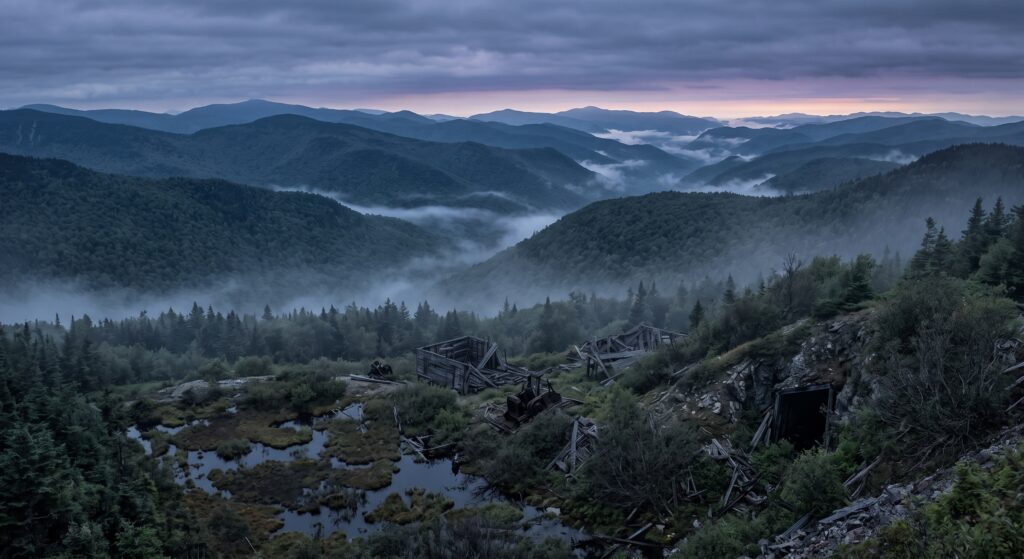
The vanishings terrified Vermont. They also did something lasting. They exposed how badly the state needed a professional investigative force, and helped push one into existence.
A mountain of ghost towns
Glastenbury and nearby Somerset once thrived on logging and industry. Both declined in the late 19th century and became ghost towns, formally unincorporated in 1937. The forest reclaimed the mills and rail beds.
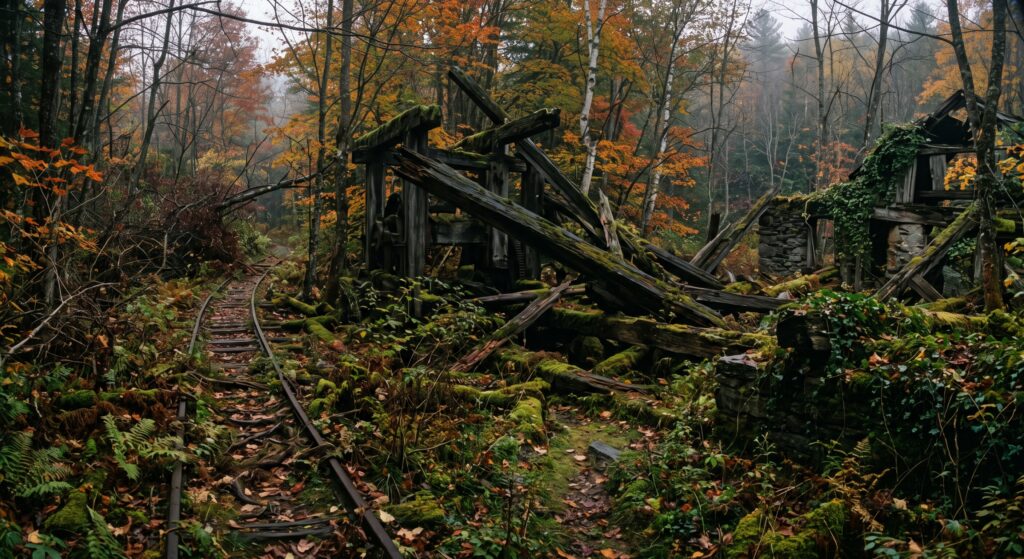
Author Joseph Citro coined the term Bennington Triangle in 1992 for the 300-square-mile zone around the mountain. Older Algonquin lore warned of a cursed spot that could open and swallow travelers whole.
Five who never came home
The record is grim and specific. Middie Rivers, 74, a skilled hunting guide, vanished in Bickford Hollow in November 1945. A man who knew the woods better than anyone simply did not return.
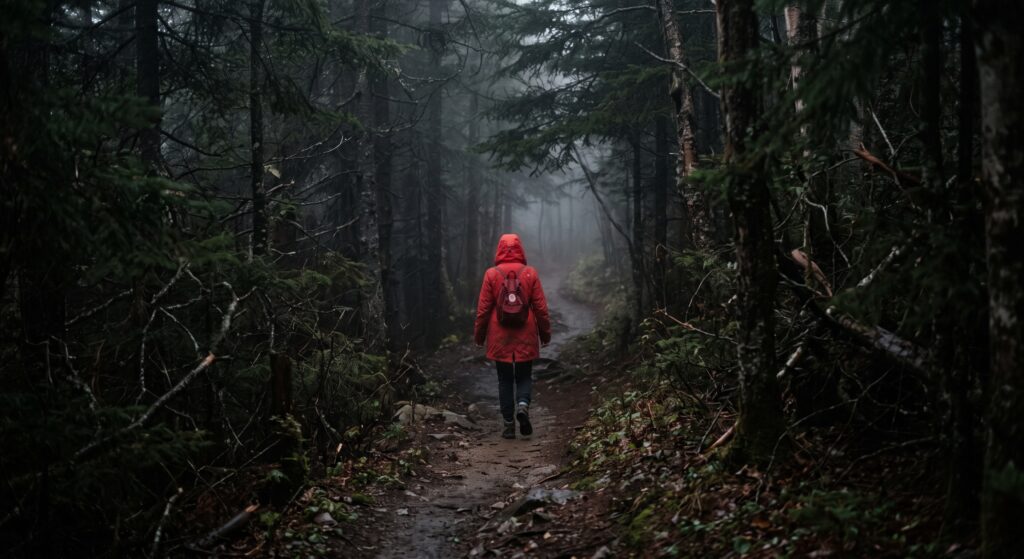
Paula Jean Welden, an 18-year-old Bennington College student, went hiking on the Long Trail in December 1946. Witnesses saw her red coat, then a bend in the trail, then nothing. Her case triggered a massive FBI search and later inspired Shirley Jackson’s novel Hangsaman.
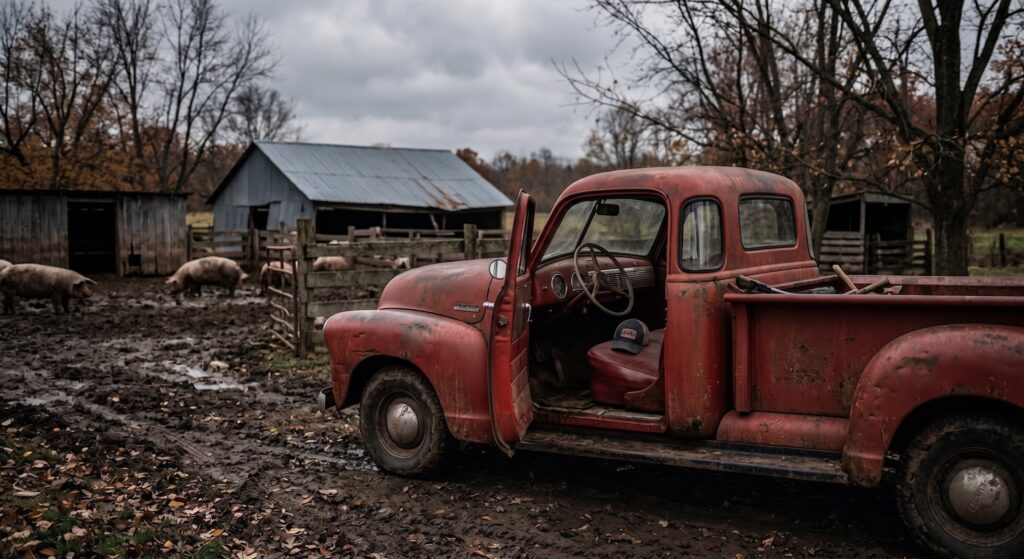
James Tedford, 68, disappeared from a moving bus in December 1949. He left his luggage and an open timetable on his seat. Eight-year-old Paul Jepson vanished from a truck at a pig farm in October 1950. Bloodhounds tracked his scent to a crossroads, then lost it cold.
The body that broke the pattern
Frieda Langer, 53, vanished near Somerset Reservoir in October 1950. Her case ended differently and no less strangely. Searchers found her decomposed body seven months later, in May 1951, in an area crews had already searched thoroughly.
The condition of the remains made a cause of death impossible to determine. A place that had refused to yield any bodies suddenly produced one, in cleared ground, with no answers attached.
The rational and the strange
Survival science explains a lot here. The Green Mountains hide confusing wind tunnels, deep bogs, and abandoned mine shafts. Hypothermia and dehydration cause delirium. Lost hikers wander miles off-trail and die within reach of rescue.
Folklore filled the rest of the silence. Locals blamed a Bennington Monster, or Bigfoot, or the swallowing rock of Algonquin warning. The truth may be duller and darker: a chaotic landscape and a state without the tools to search it well.
That gap in capability mattered. The failures around these cases fed the drive for a coordinated, trained investigative body in Vermont. The mountain kept its victims. It also helped force the state to grow up.
A landscape built to lose people
Focus on the terrain, because it is the real predator here. The Green Mountains around Glastenbury form a maze. Ridges fold into one another. Wind funnels through hollows and scrambles a hiker’s sense of direction.
The ground hides dangers too. Deep bogs sit under deceptive cover. Old mining shafts gape in the brush near the ruins of logging towns like Fayville. A single wrong step in fading light can end a life quietly.
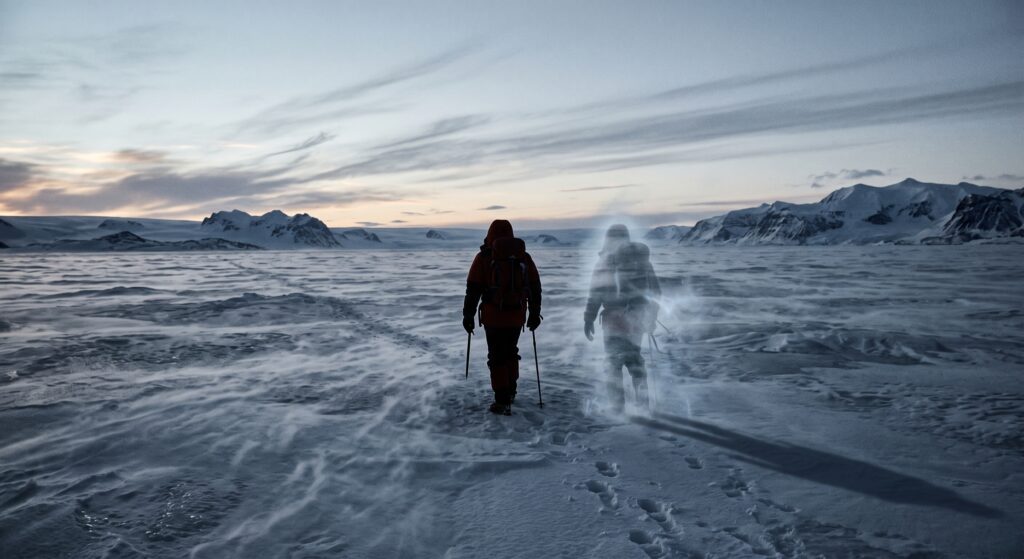
Add cold and exhaustion, and the mountain does the rest. Hypothermia clouds judgment. Dehydration brings delirium. Lost hikers strip off clothes, walk in circles, and drift miles from any trail. The wilderness does not need a monster to kill.
The stories the fear produced
Fear demands an explanation, so folklore supplied several. Some blamed a Bennington Monster or a Bigfoot roaming the ridges. Others reached back to the Algonquin warning about a rock that opens to swallow the unwary.
The disappearances gave those tales fresh fuel. Five vanishings in five years felt like a pattern, and patterns beg for authors. A hungry mountain is easier to picture than a dozen separate, ordinary tragedies.
The literary world took notice too. Paula Welden’s case shaped Shirley Jackson’s fiction and cemented the region’s dark reputation. Each retelling made the triangle feel more deliberate, more alive, more like a thing that chooses its victims.
How tragedy reshaped the state
Here is the lasting legacy, and it is institutional, not supernatural. The searches in these years exposed how poorly Vermont could coordinate a major manhunt. Local efforts scattered. Expertise was thin. Cases went cold fast.
That failure had consequences. The pressure to search a chaotic wilderness properly helped drive the creation of a professional, statewide investigative force. Out of unsolved loss came a more capable Vermont.
Hike the Long Trail today and the mountain still feels indifferent and vast. It kept most of its victims. It also forced a state to build the tools it should have had all along. That is the triangle’s quiet, real inheritance.
Living with an unsolved place
Accept that the Bennington Triangle will never fully explain itself. Some cases have plausible answers in exposure, terrain, and misfortune. Others simply end without resolution. The mountain keeps its secrets, and that silence unnerves us most.
Human minds hate open loops. An unsolved disappearance nags at us, so we reach for any closure available. A monster, a curse, or a swallowing rock at least gives the horror a shape. A shrug gives us nothing to hold.
Yet the honest answer is often the shrug. People get lost. Cold and confusion kill quietly. Bodies stay hidden in vast, tangled wilderness. No pattern connects the victims beyond the landscape that took them.
Hold both truths at once. Respect the real families who lost real people here. Resist the temptation to package their grief as entertainment. The triangle is haunting enough as a place where the wilderness wins and the questions stay open.
Drive the back roads around Bennington and the mountain still looms, green and indifferent. It swallowed a hunting guide, a college student, a veteran, a small boy, and a grandmother. It never explained itself. Perhaps that refusal is the most honest ghost story of all.
[…] 1992, borrowing the mystique from the Massachusetts Bridgewater Triangle. See our other post on the Bennington Triangle to learn more about the mysteries and disappearances that made the region […]