You walk into the room and you stop. The smell is unmistakeable: something between rotten eggs and struck matches, without any visible source and with no gas lines in this part of the building. You have been investigating long enough to know what the folklore says about this smell. You are also experienced enough to know that the first thing you do is call a plumber.
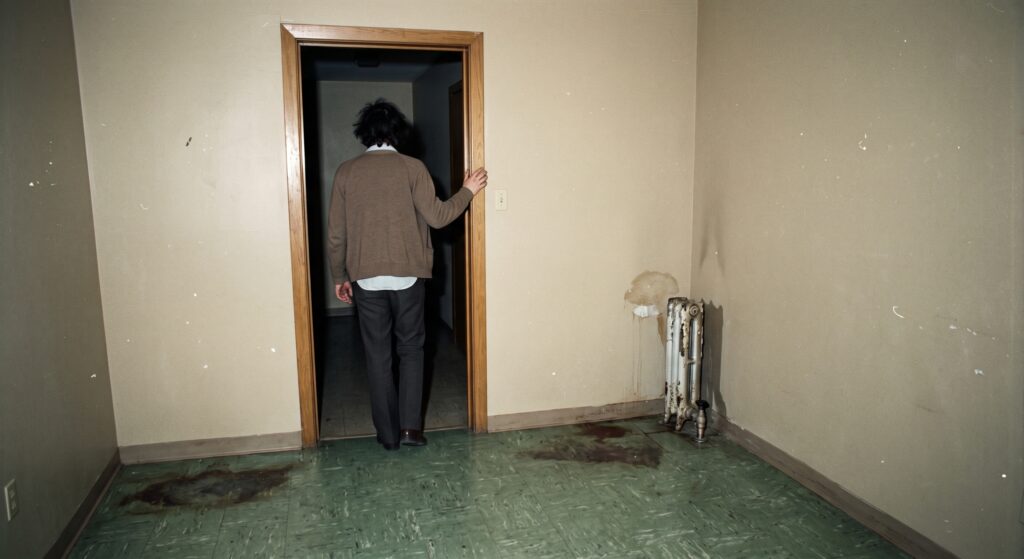
The sulfurous smell is one of the most specifically coded signs in Western demonological tradition. It appears in scripture, in medieval theology, in popular culture, and in contemporary paranormal investigation reports with a consistency that makes it one of the most recognized claimed indicators of demonic presence. Its origin is ancient, its spread is well-documented, and its mundane explanations are extensive. Both the folklore and the practical checklist deserve serious attention.
The Biblical and Theological Origin
The association of sulfur with divine punishment and the demonic is rooted in the Hebrew and Christian scriptures. The destruction of Sodom and Gomorrah in Genesis is described as divine judgment delivered through a rain of sulfur and fire. In the Book of Revelation, the lake of fire that constitutes hell is described as burning with sulfur, and the term ‘brimstone’—the archaic English word for sulfur—becomes a synonym for hell in Protestant theological rhetoric.
The practical origin of this association is straightforward: volcanic activity, which was understood in the ancient world as a manifestation of divine power or underworld proximity, produces hydrogen sulfide gas and sulfur dioxide, both of which have the characteristic rotten-egg odor. The smell near volcanic regions was naturally interpreted as evidence of the underworld beneath the earth. Volcanic landscapes in ancient Israel and the broader Near East, including the Dead Sea region where sulfur deposits are genuinely present, would have reinforced this association for the people who wrote the relevant texts.
The Science: What Is Actually Producing the Smell
Elemental sulfur, the yellow powder associated with demons in popular culture and television, is in fact odorless. The rotten-egg smell universally associated with demonic presence is not sulfur but hydrogen sulfide, a gas produced by the decomposition of organic material containing sulfur compounds. This distinction matters practically because the actual smell people encounter has specific and identifiable physical sources.
Plumbing and Sewage
The most common source of a sulfurous smell in residential buildings is the plumbing system. Dried P-traps in rarely used drains, cracked sewer lines, and sewer gas infiltration from the main line are routine plumbing problems that produce exactly the smell described in demonic haunting accounts. A plumber’s assessment should be the first call made when an unexplained sulfurous smell appears in a building.
Electrical Issues
Burning electrical components, particularly older wiring, can produce a smell that ranges from acrid to sulfurous. Arcing in wall outlets, degrading insulation on older wiring, and overheated electrical panels all produce distinctive odors that are occasionally described as sulfurous in witness accounts.
Well Water and Ground Conditions
In properties with well water or in areas with certain geological conditions, hydrogen sulfide dissolved in groundwater can produce a persistent sulfurous smell from taps, drains, and basement areas. This is particularly common in areas with high organic content in the soil or with specific mineral deposits.
Dead Animals in Walls or Beneath Flooring
A small animal that has died in a wall cavity, under flooring, or in an attic will produce sulfurous odors as decomposition proceeds. The smell can be localized to specific areas of a building, can appear suddenly and intensify over days, and can seem to have no identifiable source from the inside. Professional pest control and building inspectors have experience locating and removing these sources.
Industrial and Agricultural Sources
Properties near agricultural operations, landfills, paper mills, or certain industrial facilities may receive periodic sulfurous odor from external sources. These can appear intermittently, in association with wind direction or specific production cycles, and seem to have no source within the building itself.
When the Mundane Explanation Does Not Fit
The checklist above covers the majority of sulfurous smell reports in residential investigations. The minority that resist it share specific characteristics: the smell appears and disappears rapidly without correlation to any building system or external source, it is localized to specific areas in ways inconsistent with gas diffusion, it correlates with other reported paranormal events, and multiple independent witnesses who are unaware of the demonic association report the same smell in the same location.
Paranormal investigators who document cases involving unexplained sulfurous smells note that these cases are rare. The smell is an effective atmospheric detail in fiction, in television, and in cultural framing of demonic encounters, which means it is also a highly suggestible phenomenon: a person who believes they are in a demonically active space and detects any ambiguous odor is more likely to interpret it as sulfurous. Documented olfactory pareidolia is less studied than visual pareidolia but operates on the same cognitive principle: the brain finds the pattern it is looking for.
References & Further Reading
• Healthline: Sulfur Burps Causes and Treatments
• Unidentified Phenomena: Sulfur and the Paranormal Connection
• Wikipedia: Fire and Brimstone
For more on this topic, see our complete guide to the Old Hag Syndrome: Sleep Paralysis, Folklore, and the Science Behind the Presence.


[…] That dread of imminent, intelligent harm from a hostile presence. Some experiencers also report a sulfur smell during episodes — a detail that bridges the neurological and the demonic in […]