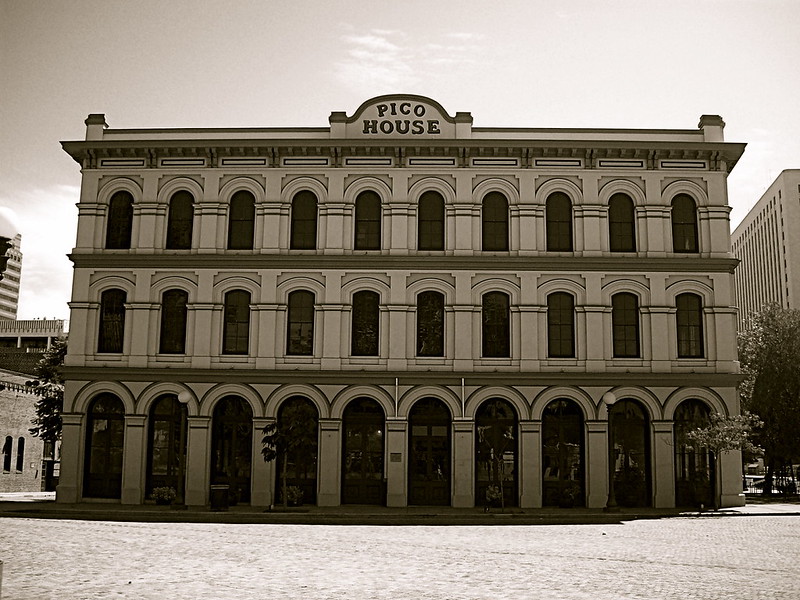
In 1870, Pico House opened as the grandest hotel Los Angeles had ever seen. Three stories of Italianate elegance rose beside the old plaza, complete with indoor plumbing, a first for the city. It was the dream of Pio Pico, the last Mexican governor of Alta California. Within a decade, he lost it all. And the darkest event tied to this building did not happen quite where the ghost tours say it did. That distinction deserves care.
Pico’s rise and fall
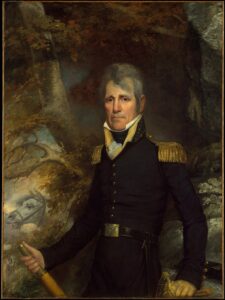
Pio Pico lived nearly the entire nineteenth century. He built his fortune in cattle and land, served as governor, and helped move the provincial capital to Los Angeles. To fund and furnish Pico House, he and his brother sold off much of their vast San Fernando Valley holdings. Architect Ezra Kysor designed the building, and crews painted its facades to resemble fine blue granite.
Prosperity did not last. Gambling, lawsuits, bad investments, and fraud by others drained Pico’s wealth. He lost the hotel to foreclosure around 1880, a downfall locals mocked as Pico’s Folly. He died broke in 1894. The state later folded the building into the El Pueblo de Los Angeles Historical Monument.
The massacre, placed correctly
The Plaza district holds profound trauma. On October 24, 1871, one of the worst racial atrocities in the city’s history unfolded. After a shootout between rival Chinese groups left a white man dead, a mob of hundreds attacked the Chinese quarter. They murdered roughly 18 to 19 Chinese men and boys, some by lynching. It remains one of the largest mass lynchings in American history.
Now the correction. Popular accounts place the killings directly in front of Pico House. Historians locate them more precisely. The violence centered on an alley called Calle de los Negros, near the Plaza, not on the hotel’s doorstep. That mob spilled through the area, but the massacre site was a distinct nearby street, and the building there was later demolished. Getting this right honors the victims. It refuses to flatten a real atrocity into a convenient ghost story address.
The reported hauntings
Investigators and staff report shadow figures crossing the interior courtyard at night, disembodied footsteps on empty staircases, and a persistent sense of distress inside the locked structure. Visitors in the Plaza describe figures in nineteenth century dress who fade when approached.
How to visit
Pico House stands at 430 North Main Street. The interior stays closed to the general public and opens only for special events, exhibitions, and film shoots. You can explore the exterior and the historic Plaza courtyard freely by day. Volunteer-led walking tours of the El Pueblo district offer real historical context. To trace Pico’s broader legacy, visit Pio Pico State Historic Park in Whittier, which preserves his adobe home and offers free admission on its open days.
References & Further Reading
Los Angeles in Buildings: The Pico House, PBS SoCal