Here is the uncomfortable part of any good urban legend. The scariest version is almost never the true one. The true one is often stranger. Five American towns each guard a famous tale. A cursed bronze angel. A family stalked by anonymous letters. A poisoned-candy boogeyman. A red imp blamed for three centuries of disasters. A shadow that stalks a grieving reservation. Each one hides a spine of real people, court records, and folklore mechanics. This deep dive pulls the legends apart. You get the campfire tale, then the paper trail that contradicts it. The gap between the two is where these stories actually live.

Most roundups stop at the scary version. We go one step further and name what the sources actually say. Some of these tales rest on documented tragedy. Others rest on documents that do not exist at all. Knowing which is which does not make them less haunting. It makes them more honest. It also makes you the person at the party who knows the real story, which is a small, satisfying kind of power.
The Black Angel of Iowa City Was a Grieving Mother's Gift, Not a Curse
In Oakland Cemetery in Iowa City, an eight-and-a-half-foot bronze angel stands with one wing flung wide and its head bowed low. Locals call it the Black Angel. The legend says a kiss or touch will kill you, and that a pregnant woman who walks beneath the wings will lose her child. College students still dare each other to test it on Halloween.
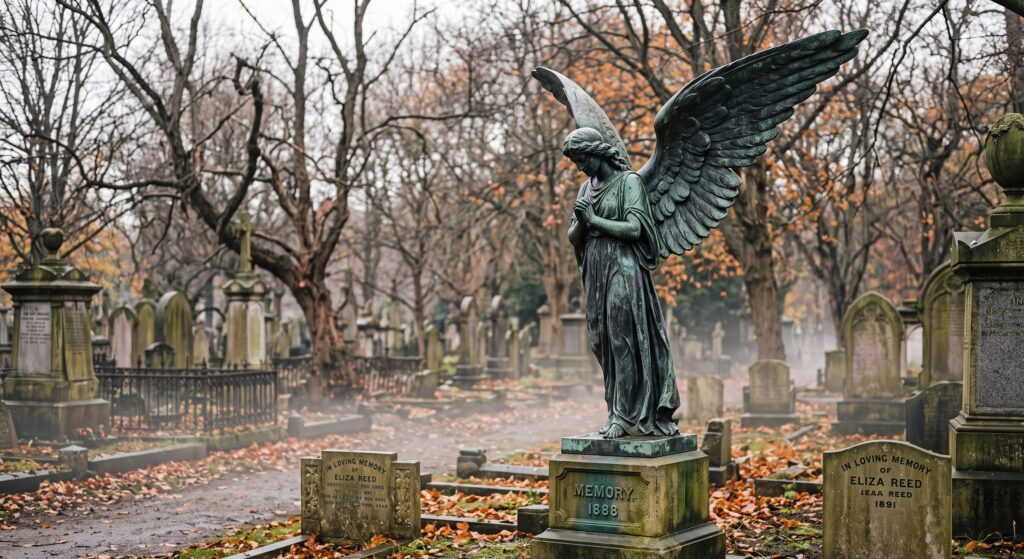
Now the correction the ghost tours skip. The woman behind the monument was not an occultist. Teresa Dolezal Feldevert trained at the University of Vienna and worked as a physician and midwife, reportedly delivering more than a hundred babies. She commissioned the statue after burying her teenage son Eddie, who died of meningitis in 1891, and her second husband Nicholas, whose ashes rest at its base. Czech-American sculptor Mario Korbel cast it in Chicago around 1912.
The color has a chemistry answer, not a supernatural one. Bronze oxidizes. Exposed to Iowa weather for decades, the bright metal darkened to a greenish-black patina, the same process that colors any old bronze statue. The legend simply arrived to explain a striking dark figure that looked nothing like the white marble angels nearby.
One detail the brief version usually drops makes the folklore richer. The classic telling adds an escape clause. The touch supposedly kills only those who are not pure of heart, sparing the virtuous. That single condition turns a death curse into a morality test. That is exactly how these tales earn their staying power. They reward the listener for being good, which gives every teenager a reason to walk up and try their luck.
There is also a smaller mystery the legend feeds on. Teresa’s own death date never appears on the monument, though her birth year does. That blank space invites speculation, and speculation is the fuel folklore runs on. Decades of legend-tripping have left real marks, too. Vandals have chipped away several of the statue’s fingers over the years. The curse, it turns out, helps protect the angel.
The Watcher House Terror Was Real, but Netflix Invented the Bloodiest Parts
In 2014, Derek and Maria Broaddus paid roughly 1.35 million dollars for a six-bedroom home at 657 Boulevard in Westfield, New Jersey. Days after closing, a typed letter arrived. The writer signed off as The Watcher, claimed the house had obsessed their family for decades, and referenced the couple’s three children as the awaited young blood.
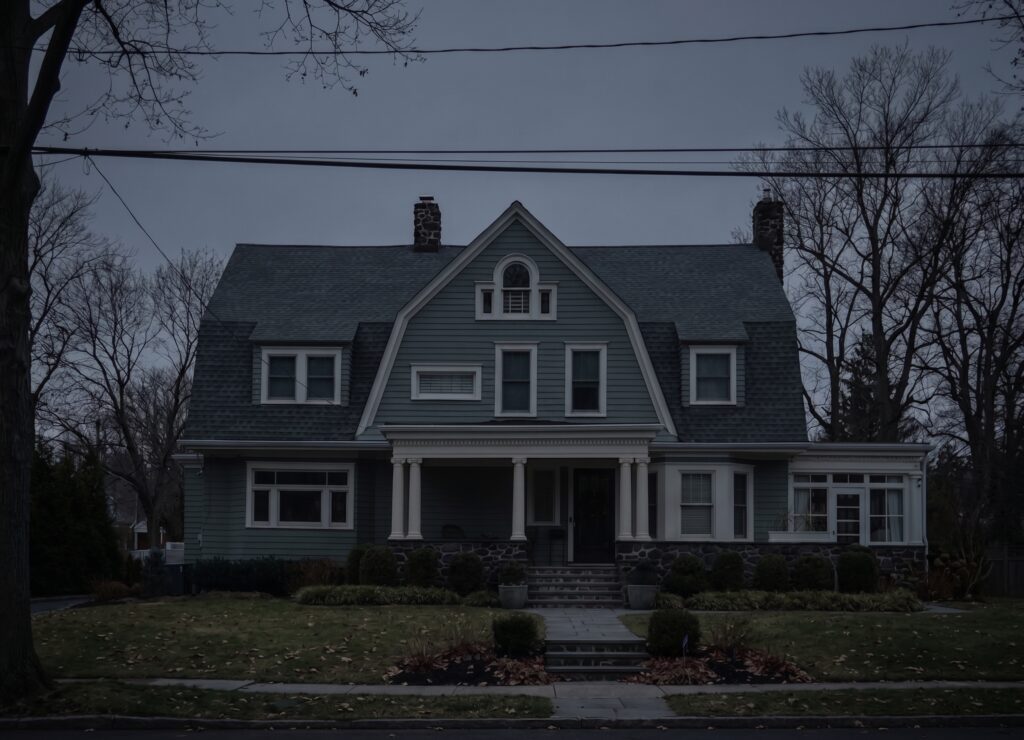
Then it got worse. Over roughly a year and a half, the Broadduses received four letters in total. The writer knew the layout, scolded them for renovations, and asked which bedrooms the children slept in. The family, terrified, never moved in. Who would send this, and why, is the open loop that has hooked millions.
Here is where the record diverges sharply from the drama. Police ran DNA tests, handwriting analysis, and canvassing. No one was ever charged. A lawsuit against the prior owners was dismissed. The couple rented the house out, then sold it in 2019 for around 959,000 dollars, a loss of nearly 400,000 dollars. The investigation has been described as inactive but not formally closed.
One overlooked wrinkle deepens the mystery. The prior owners, who lived there 23 years, said they received just a single Watcher letter, and only days before they moved out. That note simply thanked them for caring for the house. The escalation, in other words, seemed to arrive with the Broadduses. Why the writer fixated on this particular family remains unexplained.
The differentiator most posts miss is what the 2022 Netflix series added. The real case has no bodies. The show invented murders, hidden tunnels, and a roster of sinister neighbors. Fans now drive past the house looking for horrors that only ever existed on screen. The genuine story is quieter and, arguably, more unsettling. Its central question was never answered, and an unanswered question outlasts any invented corpse.
Texas's Candy Lady May Never Have Existed at All
In Terrell, Texas, children learn to fear the Candy Lady. The tale names her Clara Crane, a grieving mother. She allegedly poisoned her husband with caramels after their daughter died in an accident. Committed to the North Texas Lunatic Asylum, she supposedly returned home after her release. Then she lured children with candy left on windowsills. Empty wrappers marked her visits. Missing children marked her hunger.
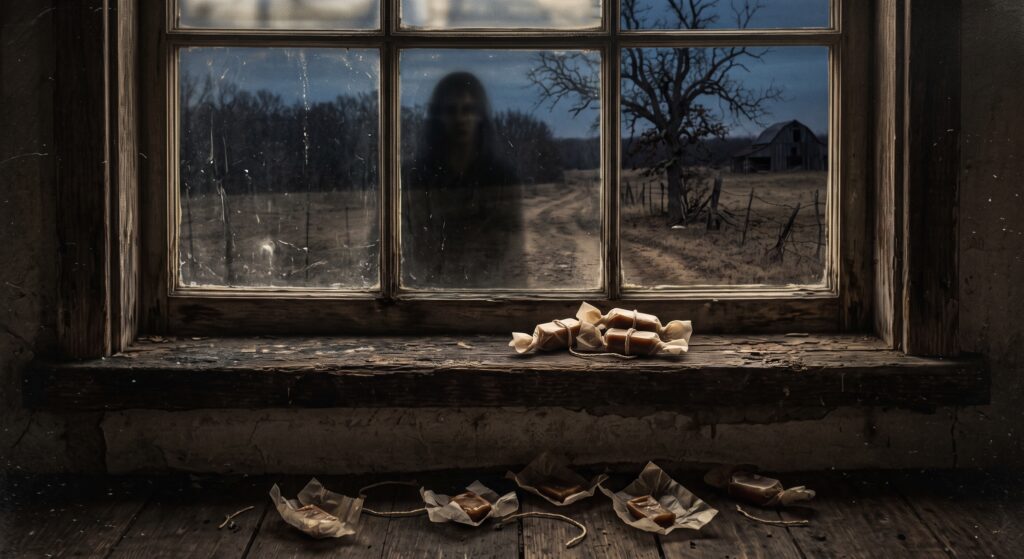
Now the fact that reframes everything. Researchers have found no verifiable historical record of Clara Crane. No court file, no asylum admission, no news account confirms the woman at the center of the story. Folklorists who examine the tale generally treat it as folklore first and history a distant second. The named dates and details give it the texture of true crime, but the documentation simply is not there.
That absence is the point, not a flaw. The Candy Lady belongs to a category folklorists call the predatory bogey, a warning figure built to keep children indoors after dark. Turn-of-the-century rural Texas held real dangers, including sinkholes, wild animals, and strangers. A poisoned-candy villain was a memorable delivery system for one blunt lesson. Do not take treats from people you do not know.
One real thing anchors the fiction. The asylum existed. Founded in 1885 and now known as Terrell State Hospital, it was a large, overcrowded institution that loomed over the town’s imagination. A real place with grim conditions makes an invented patient feel plausible. That is a common trick of regional folklore. It borrows one verifiable landmark, then hangs an unverifiable villain on it.
The lurid extras that circulate online escalate with each retelling. A sheriff found dead with candy-stuffed pockets. Children’s teeth scattered in a field. These are the folklore doing what folklore does, sharpening the fear to keep the warning alive. Reading the Candy Lady as a cautionary invention respects the story more than pretending she left a paper trail. The lesson she carries is real even if she is not.
Detroit's Nain Rouge Is Younger Than Its 300-Year Reputation Suggests
Detroit tells of the Nain Rouge, a red-skinned imp with glowing eyes and fur boots. The story says the city’s founder, Antoine de la Mothe Cadillac, struck the creature with his cane in 1701 and doomed himself. Ever after, the Red Dwarf supposedly appeared before disasters, including the 1805 fire, the 1763 Battle of Bloody Run, and the unrest of 1967.
Here is the wrinkle that reframes the whole legend. No record ties this story to Cadillac’s actual lifetime. The earliest known written version appears in Marie Caroline Watson Hamlin’s book Legends of Le Detroit, published in 1883, roughly 180 years after the alleged encounter. Hamlin, a proud descendant of the city’s French settlers, wrote partly to preserve a French identity that English-speaking Detroit was rapidly erasing.
The imp itself has European roots. Folklorists connect it to the lutin, a mischievous household spirit from Norman French tradition. Some later accounts also claim Native American origins, tying the Nain to regional spirit figures.
The disaster sightings follow a tidy pattern that should make you suspicious. The imp conveniently appears just before every catastrophe in the retelling, never at random. One popular tale places it dancing on a creek bank during the 1763 Battle of Bloody Run, where the water reportedly ran red. That kind of vivid, after-the-fact detail is how legends absorb real history and claim it as evidence.
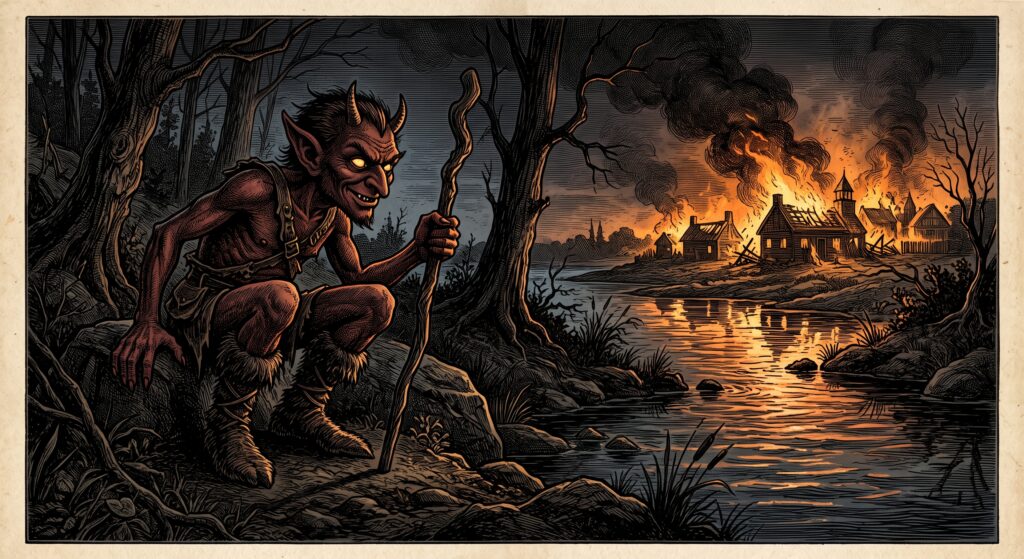
The modern festival is younger still. The Marche du Nain Rouge, in which costumed Detroiters symbolically banish the imp near the spring equinox, is often called a centuries-old rite. Two Wayne State law students launched the current parade in 2010. That does not cheapen it. A city took a folk demon and turned it into a public ritual of resilience. This is folklore being born in real time rather than merely inherited, which is rarer and more interesting than an ancient rite.
Walking Sam Is a Real Tragedy Wearing the Mask of a Ghost Story
This last one deserves a different tone. If you are struggling, help is available right now. You can call or text the 988 Suicide and Crisis Lifeline in the United States, any hour of any day. The Pine Ridge Reservation in South Dakota is home to the Oglala Lakota. There, a figure called Walking Sam, or the Tall Man, appears in modern accounts. People describe a towering, mouthless shadow said to whisper despair to the young. Understanding this story means starting with the human crisis underneath it.
The facts are heavy and real. Between December 2014 and March 2015, the community recorded around 103 suicide attempts among young people, with nine deaths, in a population of roughly 40,000. Pastors, teachers, and tribal leaders organized to protect vulnerable teens. In that atmosphere of grief, the Walking Sam figure surged through the reservation and across the internet, borrowing visual cues from the Slender Man era.
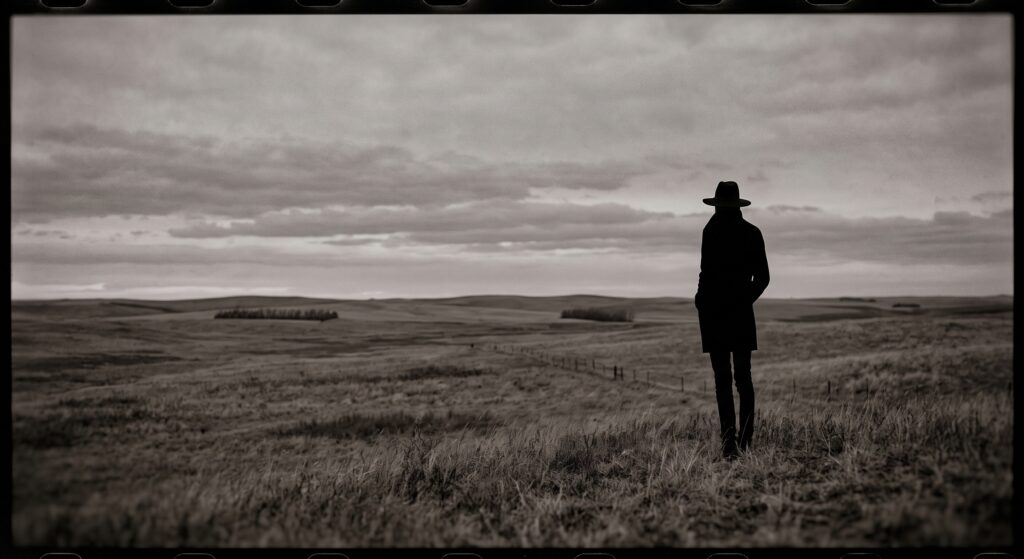
Here is the correction that matters most. Tribal leaders pushed back hard on any purely supernatural reading. They pointed to poverty, unemployment, addiction, cultural isolation, and generations of historical trauma stretching back to the Wounded Knee Massacre. Framing a public-health emergency as a monster hunt risks obscuring the actual causes and the actual solutions, which involve mental-health resources and investment, not exorcism.
The Tall Man also draws on genuine Lakota tradition, which speaks of tall, shadowy beings tied to the land. That tradition is living and sacred, and it is not cryptid entertainment. Treated with respect, the modern legend reads as a community externalizing an invisible force so it can be named and resisted together. Treated carelessly, it becomes trauma tourism. The distinction is the whole point. If any of this hits close to home, please reach out to 988 or someone you trust.
How to Spot the Machinery Working
Once you have read a few of these side by side, the gears become visible. Nearly every durable legend leans on the same handful of moves. A named person gives the story a face. A specific address or landmark gives it an anchor you can drive to. A rule or ritual gives the listener something to do, whether that means kissing a statue or checking a windowsill. Recognizing the pattern is the closest thing folklore has to a magic trick revealed.
Watch how each of the five uses those moves. The Black Angel offers a named woman and a rule about touching. The Watcher offers a real address and a set of chilling letters. The Candy Lady offers a named villain with no records and a windowsill ritual. The Nain Rouge offers a founder, a date, and a banishing parade. Walking Sam offers a description and a warning wrapped around a real emergency.
The tell that separates history from folklore is documentation. The Watcher letters are physical objects that police examined. The Black Angel’s chemistry is verifiable. Clara Crane and the pre-1883 Nain Rouge, by contrast, leave no trace in the record. When a story insists on precise dates yet produces no court file, no news clipping, and no grave, you are almost certainly holding folklore dressed as fact. That is not a reason to dismiss it. It is a reason to read it correctly.
Why These Five Stories Outlive the Facts
Pull the five apart and a pattern surfaces. A legend survives when it solves a problem for the community that tells it. The Black Angel explains an eerie dark statue. The Watcher letters voice a suburban fear that no home is truly private. The Candy Lady keeps children indoors. The Nain Rouge lets a city externalize disaster and then banish it. Walking Sam gives a grieving community a name for an unbearable weight.
So the facts and the folklore are not rivals. The documented truth tells you what happened. The legend tells you what a community was afraid of, hoped for, or needed to warn its children about. Hold both at once and each story gets deeper, not thinner.
Here is what to do next. Pick the legend that grabbed you hardest and follow it to its primary sources, the cemetery records, the court filings, the 1883 book, the news archives. Each one opens a door to the folklore of an entire region. The scariest tale on the block is rarely the strangest. The strangest one is usually hiding in the paperwork.
References & Further Reading
Oakland Cemetery, City of Iowa City
Oakland Cemetery (Iowa City, Iowa), Wikipedia
How a Black Angel Statue in Iowa Went From Memorial to Legend, KCUR
The Watcher of Westfield, New Jersey, Wikipedia
The Watcher Real Letters, TODAY
The Legend of the Candy Lady in Texas, Only In Your State
The Legend of the Legend of Detroit’s Nain Rouge, Metro Times
Pine Ridge Reservation Struggles With Suicides, The New York Times